
V2H Charging Installation
VEHICLE TO HOME (V2H) CHARGING INSTALLATION IN ARIZONA
Your electric vehicle may be able to do more than take power from your home. With compatible vehicle to home equipment, energy stored inside your EV battery can be sent back into your electrical system to help power your home during an outage. MaxCharged provides vehicle to home charging installation for compatible electric vehicles and residential properties in Phoenix, Maricopa County and select locations throughout Arizona.
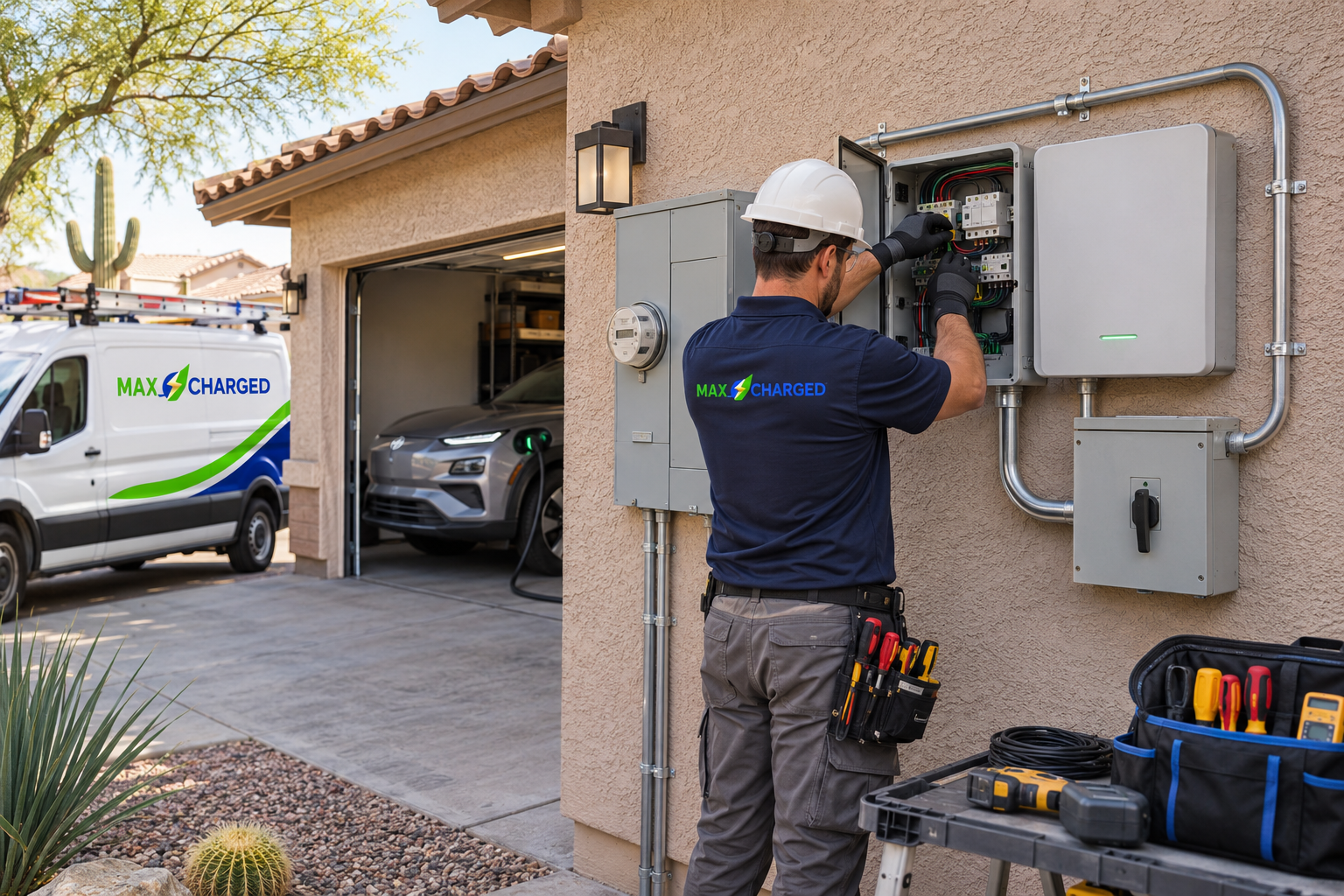
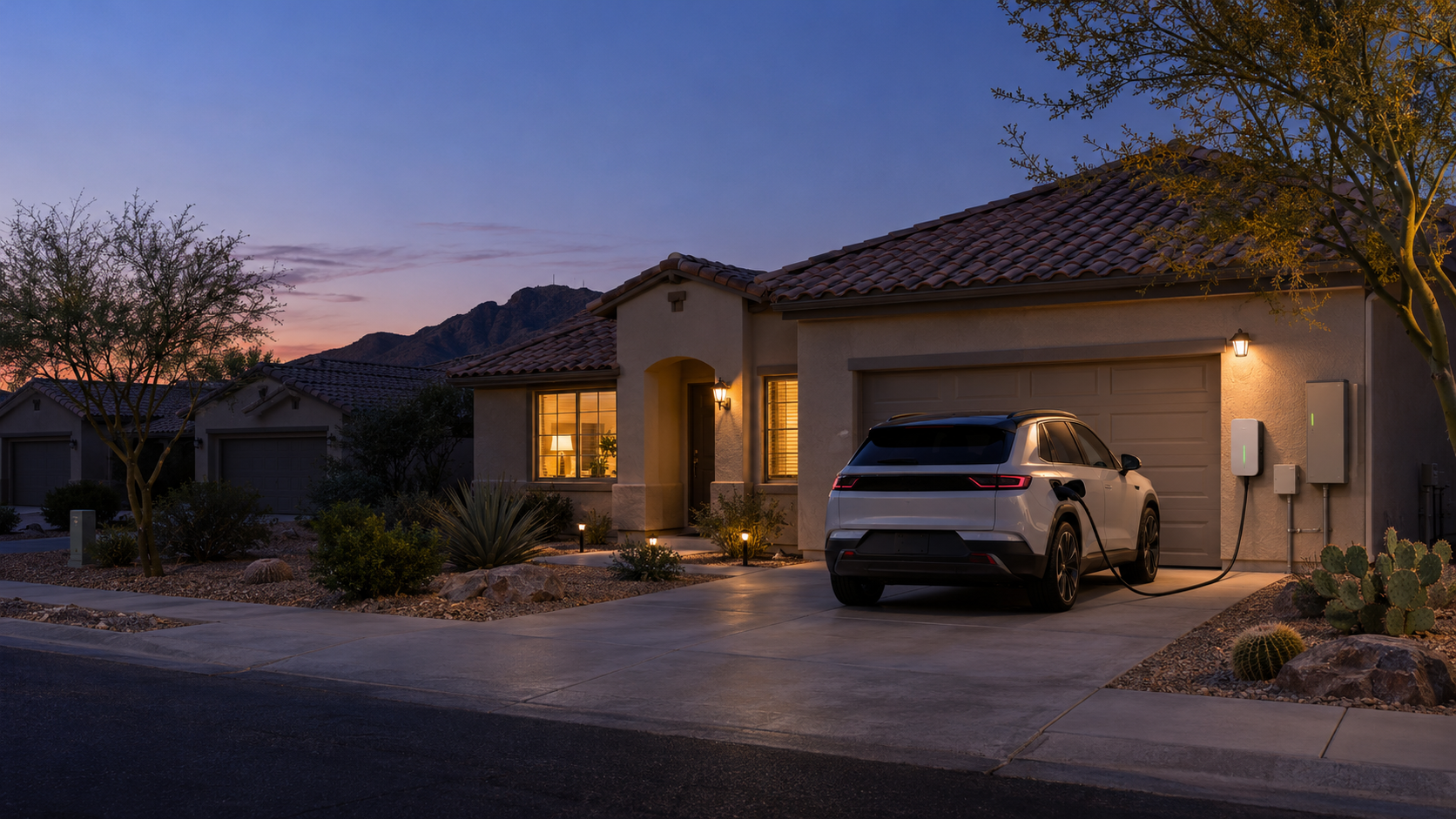
ONE CONTRACTOR FROM ASSESSMENT TO COMMISSIONING.
We evaluate the vehicle, charging equipment, electrical panel, backup power goals and utility requirements before designing the system. From the initial compatibility assessment through permitting, installation and commissioning, you work with one experienced electrical contractor.
V2H projects are more involved than installing a standard Level 2 charger. The system must charge the vehicle safely, isolate the home from the utility grid when necessary and distribute backup power without exceeding the limits of the vehicle or the home's electrical equipment. We plan every part of that system before equipment is ordered.
✓ V2H compatibility assessments
✓ Bidirectional EV charger installation
✓ Home integration equipment
✓ Automatic transfer equipment
✓ Essential load and whole home backup planning
✓ Electrical panel and service upgrades
✓ Permit and utility coordination
✓ Equipment testing and commissioning
Every diagnosis ends with a written note that names the failed part or connection and states whether repair or replacement makes sense. You approve a defined scope, not an open-ended service call, and nothing gets ordered or removed until you do.
Findings In Writing Before Work
Maintenance Before The Breakdown
Heat and monsoon moisture loosen connections and age enclosure seals faster than almost anywhere else in the country. A scheduled inspection every 6 to 12 months catches those problems while the fix is a torque wrench and a gasket, not a replacement charger.
V2H BACKUP POWER
YOUR EV CAN BECOME PART OF YOUR HOME'S BACKUP PLAN.
A standard EV charger moves electricity in one direction: from the electrical grid into the vehicle. Vehicle to home charging uses compatible bidirectional equipment that can also move energy from the EV battery back into the home.
During a power outage, a properly designed V2H system can use the vehicle's stored energy to operate selected household circuits or support a larger portion of the home. The amount of backup power available depends on the vehicle's battery level, the equipment's output, the home's energy use and which electrical loads are operating.
For many Arizona homeowners, the most important loads include refrigerators, lighting, internet equipment, medical devices, garage doors and selected air conditioning equipment. High demand systems such as central air conditioners, pool pumps, electric water heaters and cooking appliances must be evaluated carefully. We help determine what the vehicle and V2H equipment can realistically support instead of making promises based only on battery size.
DESIGNED AROUND ARIZONA HOMES AND POWER DEMANDS.
Arizona homes present challenges that generic V2H diagrams do not always address. Garages and exterior walls can experience extreme temperatures, especially when equipment is exposed to afternoon sun. Many homes also have substantial electrical loads from central air conditioning, heat pumps, pool equipment and electric appliances.
We account for those conditions when selecting equipment locations, routing conduit and developing the backup load plan. The system should be designed around what the home actually uses during an Arizona summer, not an idealized example from a manufacturer brochure.
PERMIT AND UTILITY COORDINATION.
Permitting and utility requirements can also vary by municipality and electrical provider. MaxCharged coordinates the required permits, inspections and available utility documentation for the property. If additional approval or interconnection paperwork is required, we identify that early in the process.
A V2H INSTALLATION IS MORE THAN A CHARGER ON THE WALL.
The bidirectional charger is only one part of a vehicle to home system. Each component must be compatible with the others and installed as part of one coordinated electrical design.
Compatible Vehicle and Charging Equipment
Not every electric vehicle can send power back into a home. Compatibility can vary by manufacturer, model, model year, battery configuration, software version and charging equipment. Before recommending an installation, we verify the exact vehicle and manufacturer approved equipment being considered. If you have not purchased the hardware yet, we can help you identify the questions to ask before ordering it.
Home Integration Equipment
A V2H system requires equipment that connects the vehicle's energy to the home's electrical system. Depending on the platform, this may include a bidirectional charger, inverter, home integration system, gateway, transfer equipment and energy management controls. We follow the applicable manufacturer requirements and design the electrical connections around the property's existing service.
Safe Grid Isolation
A home cannot send power back through utility lines during an outage. The system must safely isolate the property from the grid before the EV begins supplying energy to the home. This protects utility workers, the homeowner and the electrical equipment. Depending on the V2H platform, grid isolation may be controlled automatically through listed transfer or home integration equipment.
Electrical Capacity and Load Planning
We inspect the main electrical panel, service rating, available breaker space and current household demand. We also identify the circuits the homeowner wants available during an outage. Some properties may need an electrical panel upgrade, subpanel, service modification or dedicated essential load panel before V2H equipment can be installed. You receive those findings before the project moves forward.
WHAT WE INSTALL
OUR VEHICLE TO HOME INSTALLATION SERVICES
Every V2H project is planned as one coordinated electrical system. The 6 services below cover each part of that system, from the first compatibility check to the final backup power plan.
ASSESS
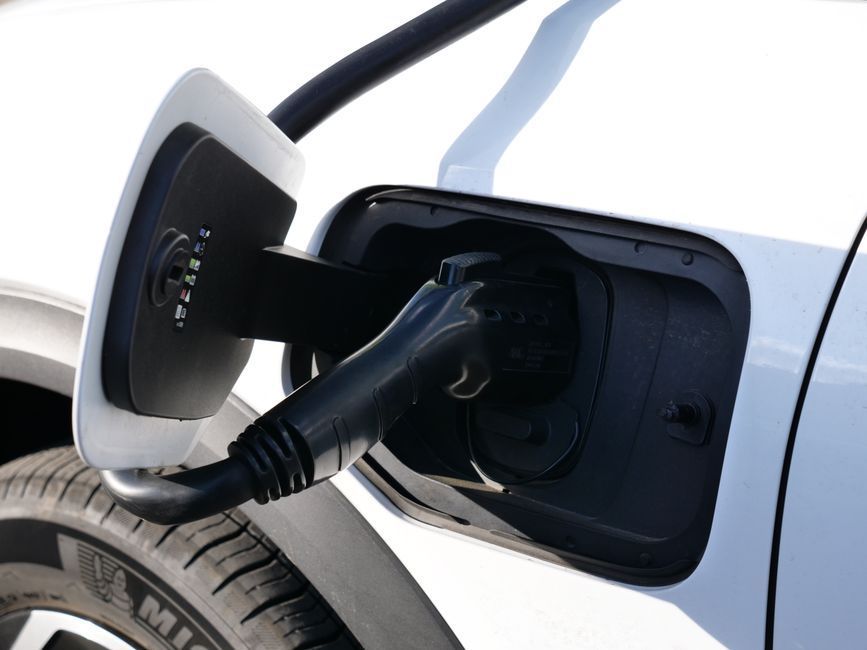
V2H Compatibility Assessments
We begin by reviewing the vehicle, model year, charging requirements and proposed V2H equipment. We then inspect the property's electrical service, panel, existing solar or battery equipment and the proposed charger location. The assessment determines whether the vehicle and home can support the system and identifies any upgrades required before installation.
INSTALL
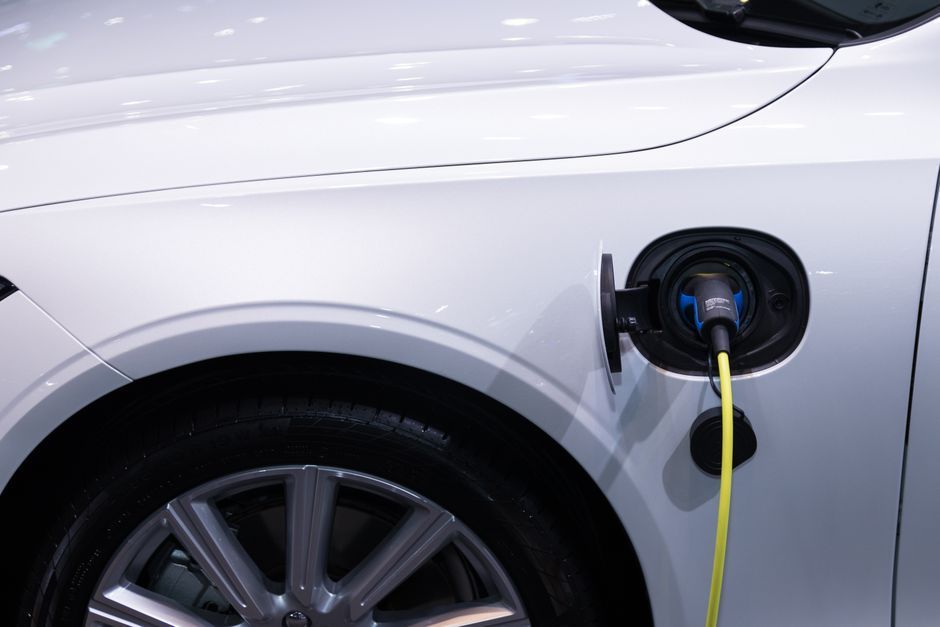
Bidirectional Charger Installation
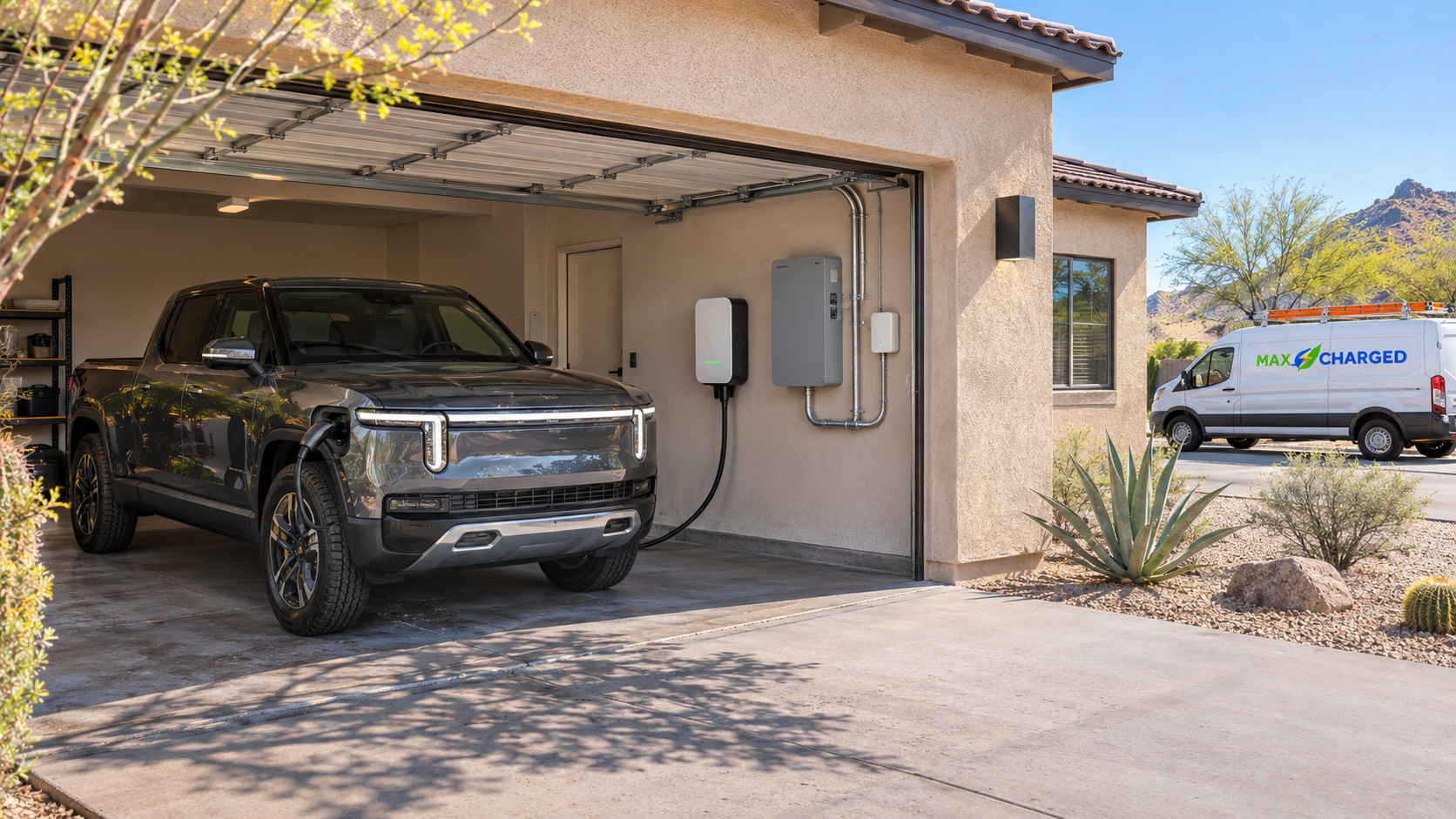
We install the dedicated wiring, overcurrent protection, disconnects and bidirectional charging equipment required by the approved system design. Charger placement accounts for cable reach, parking configuration, manufacturer clearances and Arizona's extreme temperatures. Outdoor and garage installations receive equipment and mounting methods appropriate for their environment.
INTEGRATE
Home Integration and Transfer Equipment
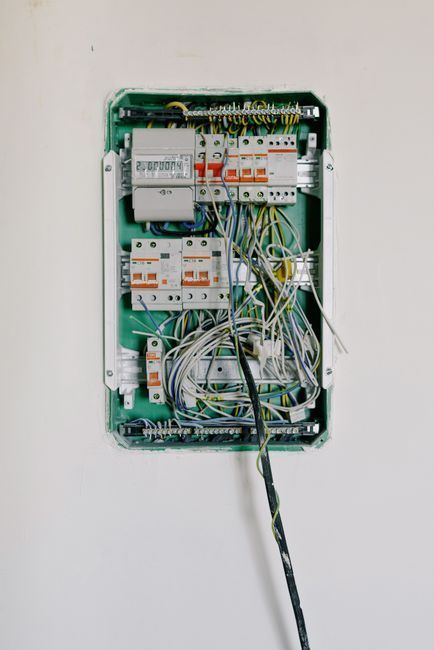
We install the compatible gateway, inverter, transfer equipment and related electrical components that allow the EV battery to supply power to the home safely. Equipment placement is planned around accessibility, heat exposure, existing panels and the manufacturer's communication requirements.

PLAN
Essential Load and Whole Home Backup Planning
Some homeowners want to keep a limited group of essential circuits operating. Others want the system designed to support as much of the home as the vehicle and equipment allow. We identify the loads that matter most, calculate their expected demand and design a practical backup strategy. If a load is too large for the system, we explain the limitation before installation.
UPGRADE
Electrical Panel and Service Upgrades
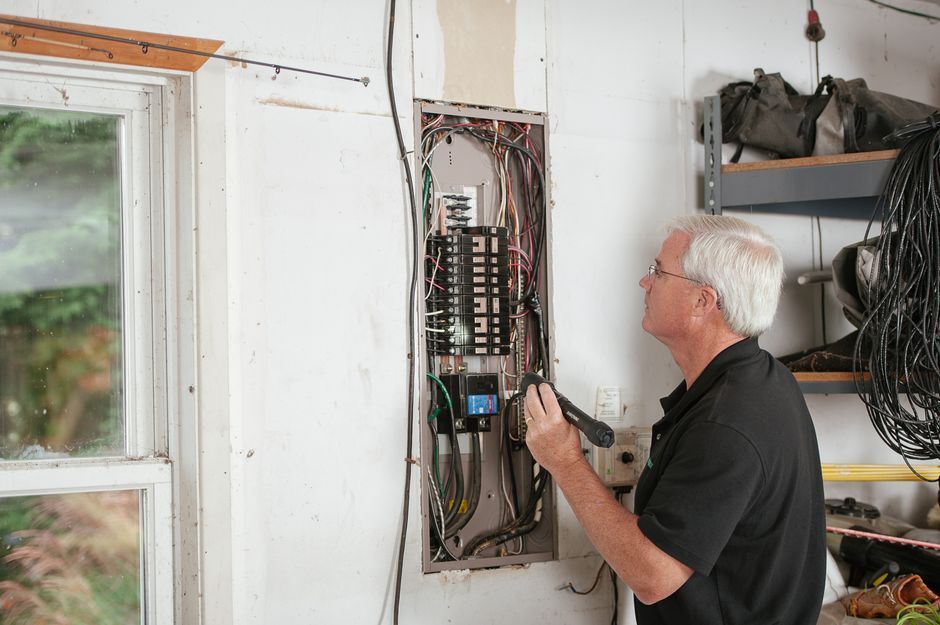
V2H equipment may require more panel space or electrical capacity than the property currently has. MaxCharged provides electrical panel upgrades, subpanel installation and related residential electrical work when necessary. An upgrade is only recommended when the existing system cannot safely support the proposed equipment.
COORDINATE
Solar and Battery Coordination
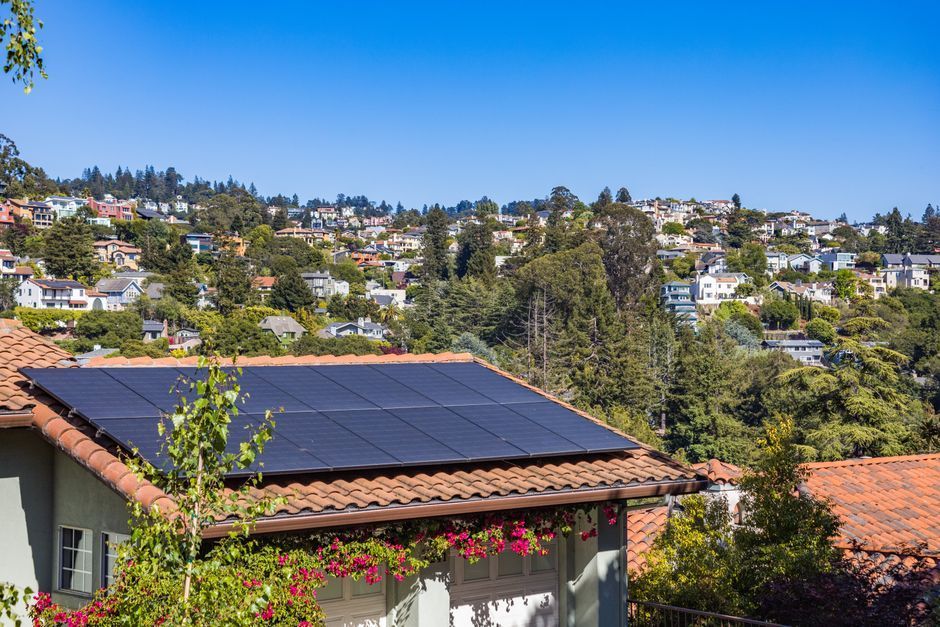
Vehicle to home charging can sometimes be incorporated into a property that already has solar panels or stationary battery storage. However, the equipment must be designed to communicate and operate together correctly. We review the existing system, available documentation and manufacturer requirements before determining how the new V2H equipment can be integrated. Existing solar does not automatically mean the panels will recharge the vehicle during a grid outage.
✓ V2H compatibility assessments
✓ Bidirectional EV charger installation
✓ Home integration equipment
✓ Automatic transfer equipment
✓ Essential load and whole home backup planning
✓ Electrical panel and service upgrades
✓ Permit and utility coordination
✓ Equipment testing and commissioning
V2H VS. A HOME BATTERY OR GENERATOR.
Vehicle to home charging, stationary batteries and generators can all provide backup power, but they operate differently.
A stationary home battery remains at the property and may be charged by the grid or a compatible solar system. A generator creates power from fuel. A V2H system uses energy stored in a compatible electric vehicle.
The advantage of V2H is that the homeowner may already own a large battery inside the vehicle. The limitation is that the vehicle must be connected and sufficiently charged when backup power is needed. The best option depends on the property, driving schedule, outage concerns and the amount of power the homeowner wants available.
Some homes may benefit from combining V2H with solar or stationary storage. We evaluate each system based on the equipment already installed and the homeowner's actual goals.
THE WORD ON OUR WORK
WHAT OUR CLIENTS SAY.
Homeowners across the Valley trust MaxCharged with EV charging and electrical work that has to be planned and installed correctly the first time. Read what they say about working with our team.
Common questions
FREQUENTLY ASKED QUESTIONS.
The questions Arizona homeowners ask most about vehicle to home charging, compatibility, backup power and what an installation involves.
What is vehicle to home charging?
Vehicle to home charging allows a compatible electric vehicle to send stored battery energy into a properly equipped home. It requires specialized bidirectional charging and integration equipment that safely controls how electricity moves between the vehicle, home and utility grid.
Does every electric vehicle support V2H charging?
No. V2H capability depends on the vehicle manufacturer, model, model year, battery system, software and approved charging equipment. We verify the exact vehicle and system before confirming that an installation can move forward.
Can my existing Level 2 charger provide backup power?
A standard Level 2 charger typically sends power only from the home into the vehicle. V2H requires compatible bidirectional equipment and home integration controls. In most cases, an existing conventional charger cannot be converted into a V2H system by changing a setting.
Can V2H power my entire house?
Possibly, but it depends on the V2H system's output and the home's electrical demand. Large loads such as air conditioners, pool pumps, electric water heaters and ranges may exceed what the system can operate simultaneously. We calculate the loads and help prioritize the circuits that matter most.
How long can an EV power a home?
Backup duration depends on the usable battery energy, vehicle state of charge, system output and household energy consumption. A home running only essential circuits may receive significantly more backup time than one attempting to operate multiple high demand appliances.
Will I need an electrical panel upgrade?
Not always. We inspect the service capacity, panel condition, available breaker space and proposed equipment before recommending an upgrade. Some homes can support V2H equipment with their existing panel, while others may require a subpanel or service modification.
Can a V2H system work with my solar panels?
It may be possible, but compatibility must be verified. Existing solar panels do not automatically continue operating during an outage. The solar inverter, V2H system, transfer equipment and energy controls must be designed to work together.
Is V2H the same as vehicle to grid charging?
No. Vehicle to home sends energy from the EV into the customer's home. Vehicle to grid, or V2G, sends energy through the property and back into the utility grid. V2G requires additional utility participation and interconnection approval and should not be assumed to be included with a V2H installation.
Will the system automatically switch on during an outage?
Some compatible V2H systems can automatically isolate the home and begin supplying backup power. Others may require steps through the vehicle or mobile application. Operation depends on the specific manufacturer and equipment configuration.
What information do you need to evaluate my home?
Send us your vehicle make, model and year; the V2H equipment you are considering; your utility provider; a photo of the main electrical panel; information about existing solar or battery equipment; and the Arizona property address. We can then determine the next steps for a site assessment.
HOW WE WORK
OUR V2H INSTALLATION PROCESS.
STEP 01
Confirm the Vehicle and Equipment
We document the vehicle make, model, model year, charging capability and proposed bidirectional equipment. Compatibility is confirmed before the electrical design begins.
STEP 02
Evaluate the Home's Electrical System
We inspect the main panel, service size, available capacity, existing solar or battery equipment and the proposed installation location. A load calculation helps determine what the property can safely support.
STEP 03
Build the Backup Power Plan
You tell us which parts of the home you want available during an outage. We evaluate those circuits against the output of the vehicle and V2H equipment, then explain what can reasonably be backed up.
STEP 04
Design and Permit the System
We develop the equipment layout, wiring plan, protection requirements and integration strategy. Required permit and utility paperwork is prepared before installation is scheduled.
STEP 05
Install the V2H Equipment
Our team installs the charger, dedicated circuits, home integration equipment, transfer controls and any approved panel modifications. Every component is mounted and wired according to the system design and applicable requirements.
STEP 06
Commission and Test the System
Installation is not complete when the equipment turns on. We commission the system, confirm communication between the vehicle and home equipment, test charging and backup operation, and walk you through the controls and mobile application.
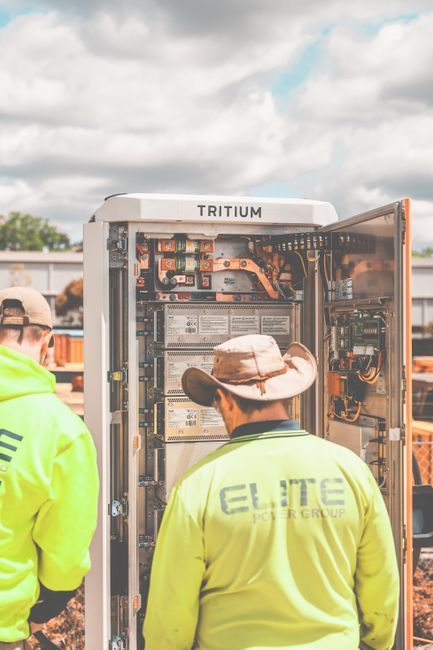
WHY CHOOSE MAXCHARGED FOR V2H INSTALLATION?
MaxCharged brings more than 10 years of specialized EV charging experience to a technology that many electrical contractors are not yet prepared to install. We understand that V2H work involves more than adding a circuit. The charger, vehicle, panel, transfer equipment, utility connection and software must function as one complete system.
We provide conventional residential EV charger installation as well as advanced vehicle to home charging solutions. Whether you already own the equipment or are still researching your options, we can help determine what your vehicle and property require.
Our process includes:
✓ Licensed and insured electrical work
✓ Vehicle and equipment compatibility review
✓ Electrical load calculations
✓ Clear written project scopes
✓ Permit and inspection coordination
✓ Manufacturer based installation requirements
✓ Complete equipment commissioning
✓ An owner review before the project is closed
Request A V2H Assessment
FIND OUT WHETHER YOUR EV CAN POWER YOUR HOME.
If you have been searching for an Arizona electrician willing to install vehicle to home or bidirectional EV charging equipment, contact MaxCharged. We will evaluate the vehicle, equipment and home as one complete system and give you a clear explanation of what is required.
Request a V2H compatibility assessment today and find out whether your EV can become part of your home's backup power plan.
WHAT TO SEND US
✓ Vehicle make, model and year
✓ The V2H equipment you are considering
✓ Your utility provider
✓ A photo of the main electrical panel
✓ Existing solar or battery equipment details
✓ The Arizona property address