How Residential EV Charging Systems Work in Scottsdale, AZ

Residential EV charging in Scottsdale, AZ involves installing a Level 2 charger on a dedicated circuit, enabling faster overnight charging at home and reducing dependence on public stations.

What makes a residential EV charger different from public charging?

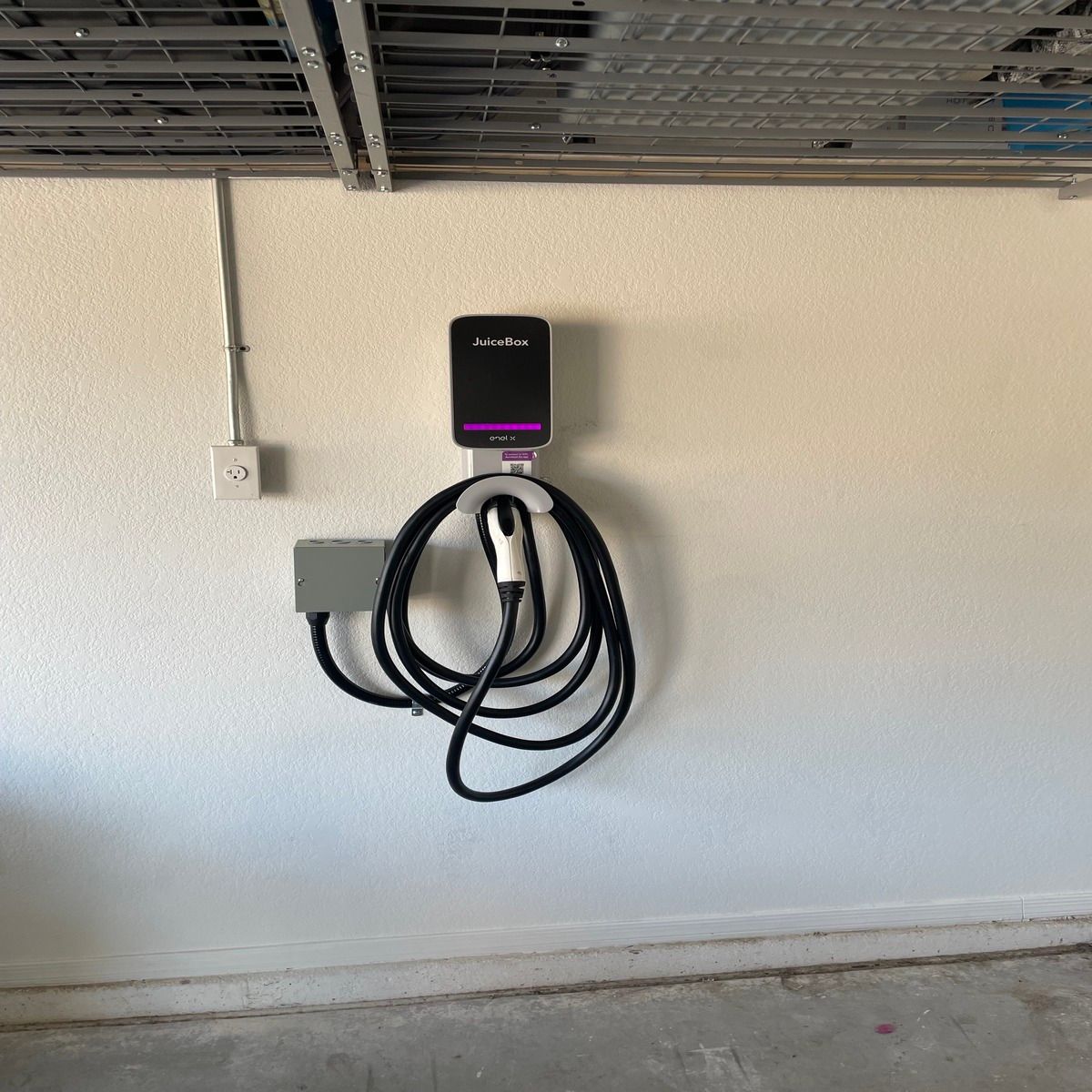
A residential charger is installed on your property, operates on a dedicated circuit, and provides consistent charging speeds without the need to locate or wait for public stations.

Home chargers typically deliver 25 to 40 miles of range per hour, depending on your vehicle and charger amperage. This allows you to start each day with a full battery without planning trips to commercial charging networks.

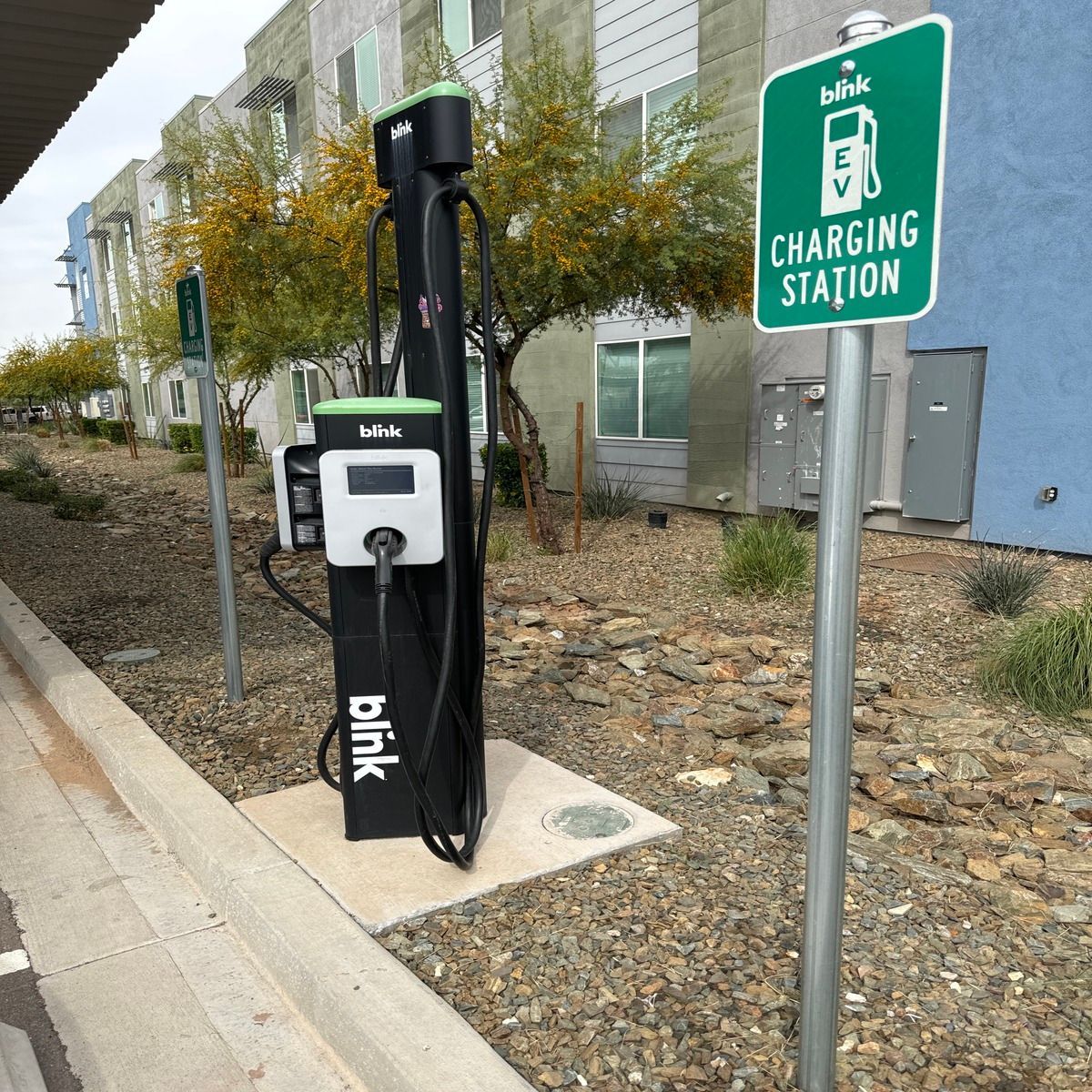
Public Level 2 and DC fast chargers are designed for quick top-ups during longer trips, but they can be more expensive per kilowatt-hour and require access fees or memberships. Home charging offers predictable costs and complete convenience.

Which charging brands are recommended for Scottsdale homes?

Tesla, Autel, Lucid, and Wallbox are recommended residential charging brands due to their reliability, smart features, and compatibility with most electric vehicles on the market.

Tesla Wall Connectors are popular among Tesla owners but can also charge other EVs using an adapter. Autel and Wallbox units offer Wi-Fi connectivity, scheduling features, and energy monitoring through mobile apps.

Lucid chargers are designed for high-performance vehicles but work with any EV that accepts a J1772 plug. Max Charged helps you select the right brand and model based on your vehicle, budget, and future expansion plans.

If your home also has solar panels, you may benefit from solar panel service in Scottsdale, AZ to ensure safe integration between your solar output and EV charging load.

Do Scottsdale neighborhoods require special permits for charger installs?

Yes, most residential EV charger installations in Scottsdale require an electrical permit to ensure code compliance, proper load calculations, and safe wiring practices.

Scottsdale enforces the National Electrical Code along with local amendments that govern circuit sizing, breaker placement, and outdoor installation standards. Permit coordination is handled by your electrician during the installation process.

HOA approval may also be required if you live in a planned community. Many associations now support EV charging infrastructure, but it's important to submit installation plans and charger placement details before work begins.

How does garage layout affect charger placement?

Garage layout influences charger placement by determining the optimal location for mounting, wire routing, and vehicle access, especially in homes with tandem or angled parking spaces.

Single-car garages often require the charger to be mounted on the side wall closest to the vehicle's charge port. Two-car garages may need dual chargers or a centrally located unit with a longer cable to reach both parking spots.

Exterior wall installations are common for carports or driveways, but they require weather-rated equipment and conduit protection. Max Charged evaluates your garage configuration and recommends the cleanest, most functional setup for daily use.

For properties needing additional circuits or outlets, outlet and circuit installation services in Scottsdale, AZ ensure safe wiring runs and proper breaker protection tailored to your space.

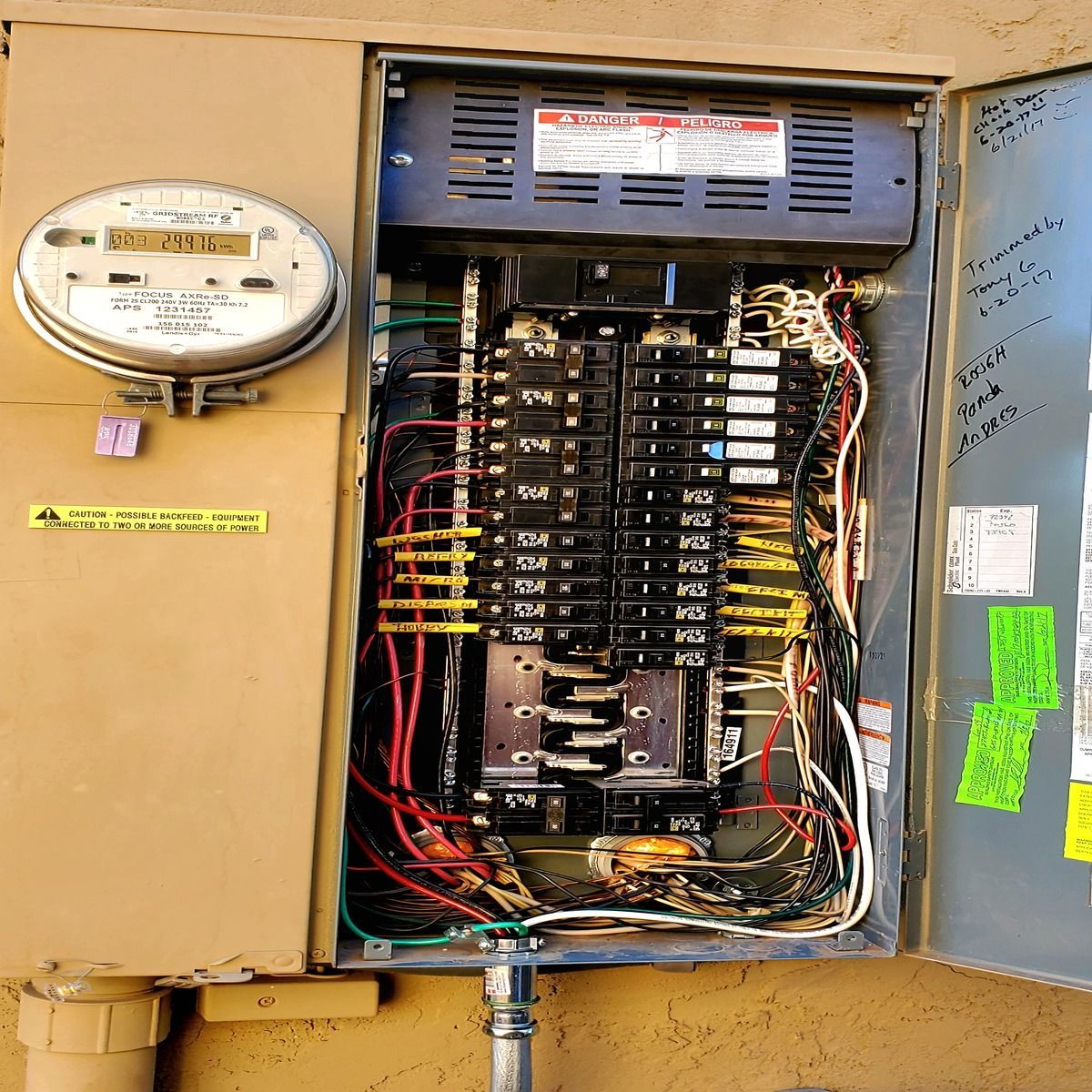
Max Charged LLC installs custom residential EV charging systems throughout Scottsdale, AZ, with a focus on clean workmanship, code compliance, and long-term reliability. Every installation includes panel assessment, permit handling, and inspection coordination.

Connect with Max Charged at 480-602-4040 to plan your home EV charging setup and enjoy the convenience of charging overnight in your own garage or carport.